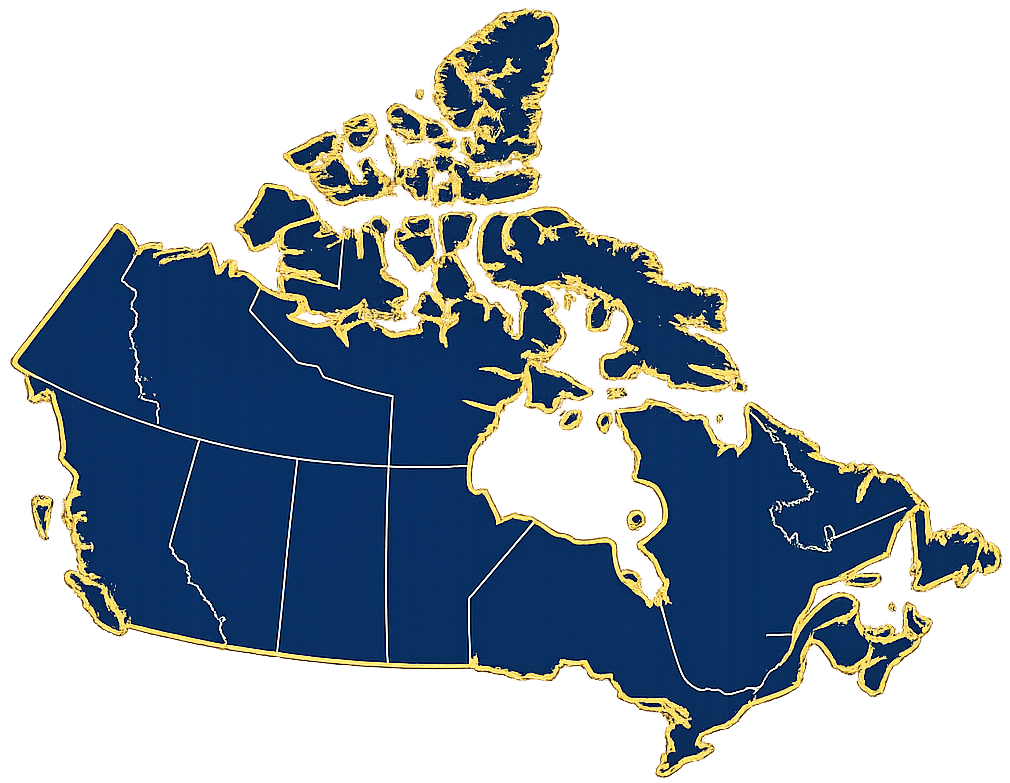
Massage Therapy Registration & CE/CEC/CEU/CPD Requirements in Canada (RMT) by Province & Territory | Lookup Tool
Massage therapy in Canada is governed primarily at the provincial and territorial level, which creates a split between jurisdictions with regulatory colleges and those where practice standards are shaped mainly through associations, municipal licensing, and insurer requirements.
Use the lookup tool below to compare entry-level registration expectations, CE/CPD renewal and quality assurance (QA) requirements, and if CE courses from the US satisfy Canadian acceptance by province or territory, with source links where available.
UPDATED MARCH 2026
Massage Therapy Registration & Renewal Requirements in Canada (RMT) | Lookup by Province & Territory
QUICK LINKS:
UPDATED MARCH 2026
UPDATED 2026
Massage therapy in Canada is governed primarily at the provincial and territorial level, which creates a split between jurisdictions with regulatory colleges and those where practice standards are shaped mainly through associations, municipal licensing, and insurer requirements.
Use the lookup tool below to compare entry-level registration expectations, CE/CPD renewal and quality assurance (QA) requirements, and if CE courses from the US satisfy Canadian acceptance by province or territory, with source links where available.
What this tool shows
This lookup summarizes publicly available massage therapy requirements across all 10 Canadian provinces and 3 territories so you can compare jurisdictions efficiently. It does not provide legal advice or guarantee eligibility. Requirements can change—confirm with regulatory authorities to verify the current rules.
Canada’s massage therapy regulatory landscape for RMTs
In Canada, regulatory boards are commonly referred to as Colleges, and the title Registered Massage Therapist (RMT) can mean different things depending on where you practice. Use the Lookup Tool to confirm whether your province/territory is regulated and which authority or framework applies.
Regulated provinces for Registered Massage Therapists (RMTs)
As of 2026, Canada has five provinces with established regulatory colleges for massage therapy:
- British Columbia (BC)
- Ontario (ON)
- New Brunswick (NB)
- Newfoundland and Labrador (NL)
- Prince Edward Island (PEI)
These Canadian jurisdictions have established high entry-to-practice standards (education + exams) and structured renewal expectations (CE/QA/competency requirements).
Unregulated or association-led jurisdictions
Several provinces and all territories remain not provincially/territorially regulated under a health professions act. In these places, professional standards are commonly maintained through voluntary associations, municipal licensing, and insurer expectations rather than a regulatory college.
Entry-level RMT requirements in regulated provinces
If your goal is RMT practice in a regulated province, entry-to-practice typically includes a substantial education standard and formal exams. Your tool entries will show province-specific details, but common patterns include:
- Education often centered around ~2,200 hours in several regulated provinces
- Exams often including written and practical components (e.g., MCQ + OSCE-style formats in some provinces)
- Province-specific steps such as ethics and law course requirements for certain pathways (e.g., PEI)
If you plan to move or work in a different province
If relocation is likely, compare your “home” province with the destination province early. Even within regulated jurisdictions, requirements can differ (exam format, renewal expectations, documentation, and timelines).
How renewal, CE/CPD, and quality assurance (QA) works in Canada
Canada’s renewal expectations often differ from U.S.-style “pre-approved CE lists.”
In regulated provinces, requirements may be competency- or QA-based, meaning massage therapists may need to show how learning outcomes in the curriculum map to acceptable professional competency standards.
Examples of how this can appear (use the Lookup Tool for province-specific rules):
- BC: renewal/CE evolving toward an integrated competency model (not only course lists).
- Ontario: QA model emphasizing self-assessment and learning plans rather than broad pre-approval.
- NB / NL: structured CEU cycles and category rules are more explicit.
Unregulated provinces/territories
In unregulated jurisdictions (including the territories), there may be no “regulatory-level” CE acceptance. CE expectations are more likely to be driven by associations, employer policies, or insurer documentation requirements.
Choosing CE courses in regulated vs unregulated jurisdictions
Regulated provinces — think “competencies,” not just hours
Where QA/competency models apply, course acceptance often depends on whether you can reasonably link learning outcomes to required competencies. That means clear CE documentation is important: learning objectives, syllabus, certificate details, date, hours, and format.
Unregulated provinces/territories — use association/insurer rules
Where there is no regulatory college, confirm what your association or insurer expects (documentation, topic relevance, format limits, and any audit rules).
What to keep for documentation:
- Course title, date completed, and provider
- Certificate of completion (hardcopy or PDF)
- Hours credited and delivery format (online/in-person)
- Notes on how the course fits board categories (depending on how your state tracks CE)
Cross-border practice: U.S. CE approval and Canadian acceptance
Some regulated provinces may treat certain U.S.-based CE frameworks differently than unregulated jurisdictions. The Lookup Tool includes province-specific notes where available. In unregulated areas, there may be no regulatory-level authority to formally accept CE at all—so acceptance becomes association/insurer-driven.
Pinpoint Education offers science-based, NCBTMB Approved continuing education and includes CE courses that meet the rigorous requirements of New York State.
Because CE/CPD acceptance varies across Canadian provinces and territories (and differs in regulated vs unregulated jurisdictions), confirm what qualifies with the relevant college, association, or insurer before enrolling.
Frequently Asked Questions (FAQ)
Is massage therapy regulated everywhere in Canada?
No. Regulation varies by province and territory. Several provinces regulate massage therapy through a regulatory college, while others rely more on voluntary associations, municipal licensing, and insurer requirements.
Which provinces have regulated RMT colleges?
As of 2026, BC, Ontario, New Brunswick, Newfoundland and Labrador, and Prince Edward Island have established regulatory colleges for massage therapy.
Do all Canadian provinces require the same education hours?
No. Requirements vary by jurisdiction. Several regulated provinces commonly reference ~2,200-hour entry-to-practice expectations, but details differ (including exams and documentation). Use your province/territory sources and confirm through official links.
How do CE/CEC/CEU/CPD requirements work in regulated provinces?
Some regulated provinces use QA or competency-based renewal models, where the therapist may need to justify how education maps to required competencies rather than relying on broad pre-approval lists.
What if I’m in an unregulated province or territory?
n unregulated areas, there may be no regulatory authority that “accepts” CE. Standards are often association-, employer-, or insurer-driven, so verify expectations locally and keep record of documentation.
Next steps: choose CE that supports real practice
Once you’ve confirmed your jurisdiction’s renewal expectations (CE/CPD hours, reporting cycles, format limits, or QA/competency requirements), choose education that supports real-world clinical reasoning, assessment, communication, and decision-making that supports professional growth.
In competency-based systems, prioritize CE with clear learning objectives and documentation you can map to Canada's regional professional standards. Pinpoint courses are designed to align with rigorous continuing education expectations, with clear learning objectives and documentation that can be referenced to support competency and QA-reporting where accepted.
Explore Pinpoint's science-based massage therapy CE course curriculum →