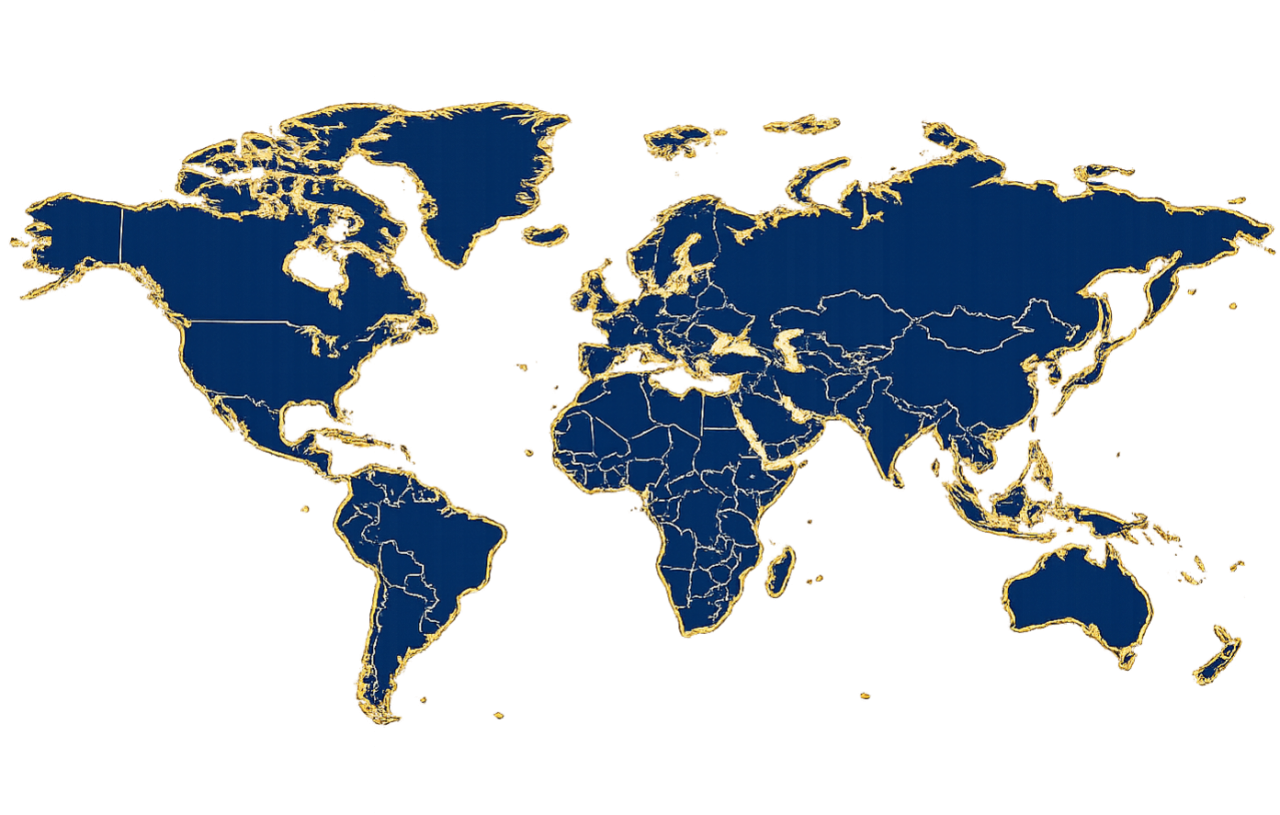
Global Massage Therapy Regulation Lookup Tool & Directory | All 257 Countries
This directory helps massage professionals and manual therapists compare credentialing regulations and requirements worldwide—useful for education planning, licensure maintenance, relocation, or general reference.
Regulation varies widely: some countries require specific licenses or have protected titles, while others rely on voluntary credentials or general business permits. Use the lookup tool below to search by country or region.
UPDATED MARCH 2026
Global Massage Therapy Regulation Lookup Tool & Directory | All 257 Countries 🌐
This directory helps massage professionals and manual therapists compare credentialing regulations and requirements worldwide—useful for education planning, licensure maintenance, relocation, or general reference.
Regulation varies widely: some countries require specific licenses or have protected titles, while others rely on voluntary credentials or general business permits. Use the lookup tool above to search by country or region.
This directory helps massage professionals and manual therapists compare credentialing regulations and requirements worldwide—useful for education planning, licensure maintenance, relocation, or general reference.
Regulation varies widely: some countries require specific licenses or have protected titles, while others rely on voluntary credentials or general business permits. Use the lookup tool below to search by country or region.
Start typing to search ↓
What "Regulated" means in this massage directory
Note: A country’s regulation status does not automatically indicate what is “best” or imply the competency-level of individual practitioners. It simply describes the presence (or absence) of formal government oversight or minimal education-training mandates for massage therapy as its own distinct profession. Always verify details locally.
- Regulated
Massage therapy is recognized as its own distinct profession (not only under physiotherapy) and is governed by a formal framework, such as licensure, registration, and protected title with well-defined training standards.
- Some regulation
Massage therapy exists as an independent service and may have some official oversight (e.g., a registry, municipal rules, or hygiene standards), but does not meet the standard of regulation as a distinct, licensed healthcare profession. In some places, independent practice may be limited to wellness or spa settings vs. therapeutic or clinical care.
- Unregulated
Massage may be practiced as an independent service or trade, but there is no mandated schooling, required credential, or formal professional oversight by law. General business permits may still apply.
What "Regulated" means in this massage directory
Note: A country’s regulation status does not automatically indicate what is “best” or imply the competency-level of individual practitioners.
It simply describes the presence (or absence) of formal government oversight or minimal education-training mandates for massage therapy as its own distinct profession. Always verify details locally.
- Regulated
Massage therapy is recognized as its own distinct profession (not only under physiotherapy) and is governed by a formal framework, such as licensure, registration, and protected title with well-defined training standards.
- Some regulation
Massage therapy exists as an independent service and may have some official oversight (e.g., a registry, municipal rules, or hygiene standards), but does not meet the standard of regulation as a distinct, licensed healthcare profession. In some places, independent practice may be limited to wellness or spa settings vs. therapeutic or clinical care.
- Unregulated
Massage may be practiced as an independent service or trade, but there is no mandated schooling, required credential, or formal professional oversight by law. General business permits may still apply.
How to use this Lookup Tool
This tool summarizes country-by-country regulation status so you can compare jurisdictions efficiently. It does not provide legal advice or guarantee eligibility. Use it as a starting point, then confirm details with official regulators, boards, ministries, or registries (where available).
- Search by country or region: Type a country name (e.g., “Canada”) or a region label (e.g., “Asia”).
- Read the summary noting jurisdictions have nuance—regional differences, protected titles, or specific practice rules.
- Use the links in each country card to get more information about a region.
- Verify with sources: Confirm current rules before making education, business, or relocation decisions.
Why regulation status matters
Education Planning
Training expectations vary widely worldwide. In some places, entry-level standards are clearly defined (hours, curriculum, exams). In others, there may be multiple pathways (private schools, association credentials, vocational routes), or no mandated minimum at all. Understanding the regulatory context helps you choose education that matches your goals and the jurisdiction where you intend to practice.
Licensure and professional mobility
If you relocate or if you intend to work across borders, eligibility can depend on whether your training aligns with the destination jurisdiction’s standards. A practical approach is to research early, compare frameworks, and keep thorough documentation (transcripts, certificates, exam results, and course syllabi when needed).
Continuing education and registration renewal
Some jurisdictions require continuing education (CE/CEU/CEC/CPD) for renewal or ongoing registration; others do not. Even where CE is not mandated, many professionals still use continuing education as a long-term plan for clinical skill development.
Scope of practice and public perception
In some regions, massage therapy is clearly positioned as healthcare/rehabilitation; in others it may be categorized primarily as wellness services or traditional/folk practice. Regulation status can influence scope boundaries, professional recognition, and how practice is integrated into healthcare systems.
Why regulation status matters
Education Planning
Training expectations vary widely worldwide. In some places, entry-level standards are clearly defined (hours, curriculum, exams). In others, there may be multiple pathways (private schools, association credentials, vocational routes), or no mandated minimum at all. Understanding the regulatory context helps you choose education that matches your goals and the jurisdiction where you intend to practice.
Licensure and professional mobility
If you relocate or if you intend to work across borders, eligibility can depend on whether your training aligns with the destination jurisdiction’s standards. A practical approach is to research early, compare frameworks, and keep thorough documentation (transcripts, certificates, exam results, and course syllabi when needed).
Continuing education and registration renewal
Some jurisdictions require continuing education (CE/CEU/CEC/CPD) for renewal or ongoing registration; others do not. Even where CE is not mandated, many professionals still use continuing education as a long-term plan for clinical skill development.
Scope of practice and public perception
In some regions, massage therapy is clearly positioned as healthcare/rehabilitation; in others it may be categorized primarily as wellness services or traditional/folk practice. Regulation status can influence scope boundaries, professional recognition, and how practice is integrated into healthcare systems.
Start here if you practice in the US or Canada
If you’re located in the United States or Canada, these Lookup Tools can help you confirm requirements in your jurisdiction:
Start here if you practice in the United States
If you’re located in the U.S., these two tools can help you confirm state-level requirements:
If you’re already licensed in massage or manual therapy
Use this directory to:
- compare whether your destination country uses licensure, registration, protected titles, association-based credentialing, or no formal regulation
- identify whether CE/CPD appears to be part of renewal (where applicable)
- locate official bodies that publish requirements (where available)
- plan documentation needs if you maintain multiple credentials across jurisdictions
If you maintain multiple licenses across borders, consider planning around the most stringent requirements you’re likely to need, and verify renewal cycles early to avoid last-minute issues.
If you’re already licensed in massage or manual therapy
Use this directory to:
- compare whether your destination country uses licensure, registration, protected titles, association-based credentialing, or no formal regulation
- identify whether CE/CPD appears to be part of renewal (where applicable)
- locate official bodies that publish requirements (where available)
- plan documentation needs if you maintain multiple credentials across jurisdictions
If you maintain multiple licenses across borders, consider planning around the most stringent requirements you’re likely to need, and verify renewal cycles early to avoid last-minute issues.
If you’re entering the profession
Use this directory as a map of what to verify:
- whether massage therapy is recognized as a distinct profession in the location you’re considering
- whether specific titles are protected (and what those titles mean)
- whether an education minimum is defined and how it’s enforced
- whether exams, registration, or association membership is part of professional entry
If you’re choosing between training pathways, prioritize:
- transparent curriculum standards
- clear documentation on completion instructors with real teaching experience and clinical supervision capacity
- alignment with the jurisdiction where you plan to practice
If you’re entering the professionm
Use this directory as a map of what to verify:
- whether massage therapy is recognized as a distinct profession in the location you’re considering
- whether specific titles are protected (and what those titles mean)
- whether an education minimum is defined and how it’s enforced
- whether exams, registration, or association membership is part of professional entry
If you’re choosing between training pathways, prioritize:m
- transparent curriculum standards
- clear documentation on completion instructors with real teaching experience and clinical supervision capacity
- alignment with the jurisdiction where you plan to practice
If you’re relocating or working across borders
Relocation questions often come down to three practical checks:
- Eligibility: Does your education/exam pathway meet local requirements?
- Scope: Are there restrictions on therapeutic claims or clinical practice settings?
- Regulation: Is massage therapy recognized as a distinct profession, and if so, where do you currently qualify?
A conservative, practical approach is to compare your current destination jurisdictions early and verify requirements through official sources. Where the rules are decentralized (district/province/state), confirm requirements for the specific region where you intend to live and work.
If you’re relocating or working across borders
Relocation questions often come down to three practical checks:
- Eligibility: Does your education/exam pathway meet local requirements?
- Scope: Are there restrictions on therapeutic claims or clinical practice settings?
- Regulation: Is massage therapy recognized as a distinct profession, and if so, where do you currently qualify?
A conservative, practical approach is to compare your current destination jurisdictions early and verify requirements through official sources. Where the rules are decentralized (district/province/state), confirm requirements for the specific region where you intend to live and work.
What you’ll find in the directory results
Where information is available, each country/region record includes:
- Whether massage therapy is regulated, partly regulated, or not formally regulated
- The general professional framework (e.g., licensure/registration/protected title vs association credentialing)
- Scope boundaries or practice positioning (e.g., therapeutic vs wellness categories)
- Education and training expectations (where defined)
- Licensing/registration steps (where applicable)
- Renewal CE/CEC/CEU/CPD requirements (where applicable)
- Information about regulators — boards/ministries/registries — where available
Verification and updates
This directory summarizes publicly available information and links to official sources where available.
Because requirements and webpages can change, always confirm details directly with the relevant regulator, board, ministry, or official registry for your jurisdiction before you enroll in a program, move, advertise services, or make clinical/therapeutic claims.
Last updated: March 2026
Verification and updates
This directory summarizes publicly available information and links to official sources where available.
Because requirements and webpages can change, always confirm details directly with the relevant regulator, board, ministry, or official registry for your jurisdiction before you enroll in a program, move, advertise services, or make clinical/therapeutic claims.
Last updated: March 2026
Frequently Asked Questions (FAQ)
Is massage therapy regulated everywhere?
No. Regulation varies widely. Some countries regulate massage therapy as a distinct profession through licensure, registration, or protected titles. Others use partial oversight (registry systems, hygiene standards, municipal rules), and some have no formal professional regulation specific to massage therapy.
Does “unregulated” mean massage is illegal?
Not necessarily. “Unregulated” means there is no clear formal professional framework (mandated schooling, required credential, or official board oversight) specifically for massage therapy as a distinct profession. Massage may still be allowed as a service or trade, and general laws (business permits, consumer protection, public health rules) may still apply.
What does “some regulation” usually mean in practice?
It often indicates limited oversight without a full profession-defining framework. Examples include voluntary registries, municipal requirements, hygiene standards, or rules that apply only in certain settings or under specific titles. In some jurisdictions, independent practice may be recognized mainly in wellness/spa categories rather than therapeutic care.
What if a country only regulates certain provinces or districts?
That’s common. Some countries have decentralized regulation where requirements may differ substantially across states/provinces/regions. In those cases, you must verify requirements for the specific region where you plan to live and work.
How should I verify information before relocating?
Start with updated official sources where available (ministry, regulator, board, or registry). If the system is unclear, identify recognized national associations or registries and cross-check whether they link to official requirements. Avoid relying on third-party summaries as your only source.
Choose continuing education that can travel with you
If you’re considering relocation or cross-border practice, requirements can differ not only in training expectations but also in how CE/CPD is counted and documented. Confirm the destination framework first, then choose education that fits the most restrictive requirements you’re likely to need and keep records (certificates, dates, hours, format, transcripts).
Pinpoint offers evidence-informed massage therapy continuing education (CE) courses that meet rigorous U.S. requirements and the high standards of New York State.
Pinpoint online + live class trainings may be accepted by many boards where NCBTMB approved-provider CE is recognized. Always confirm acceptance with your local regulator.
Explore Pinpoint's massage therapy CE courses →